Best Radiators for Old Houses with High Ceilings
On November 19, 2026 by swllwheatinThe short answer: size for the room as it is, then choose column or tall panel
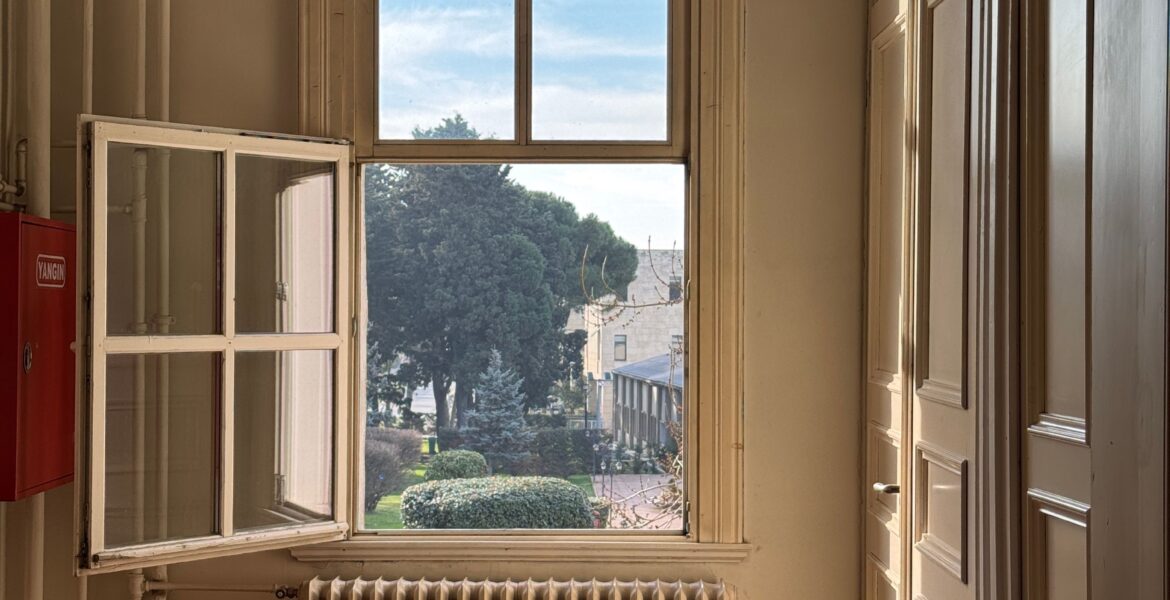
Old houses with high ceilings — Victorian and Edwardian rooms at 2.7–3.5 metres, sometimes more — defeat radiators sized from floor-area charts. A room's heat loss depends on its volume, its wall area and its windows, and tall rooms have more of all three than a modern room of the same floor area. The radiator that warms a modern 20 m² room will leave a tall 20 m² room cold.
The choice, once sizing is right, comes down to three radiator types:
- Column radiators (cast iron or steel) — the classic period choice, deep, heavy, high output per section, and in proportion with tall rooms.
- Tall vertical panel radiators — slim, modern-looking, useful where wall width is limited but height is available.
- Large double or triple panel radiators — the practical workhorse where period looks do not matter and wall space allows.
All three can work. None works if it is undersized for the room's actual heat loss.
Source context: why tall rooms are hard to heat
Volume, wall area and stratification
A room 4m × 5m with a 2.4m ceiling has a volume of 48m³. The same floor area with a 3.2m ceiling has a volume of 64m³ — a third more air to heat. Wall area rises too: the extra 0.8m of height adds roughly 14m² of external wall in that room, and in a solid-wall house that wall loses heat at roughly 2.1W per m² per degree of temperature difference.
Warm air also stratifies: it rises and pools near the ceiling while occupants sit in cooler air below. A tall room can be 24°C at ceiling height and 18°C at sofa height. Radiator choice and placement must fight stratification, not ignore it — which means radiators that drive convection currents (warm air rising from the radiator, cool air drawn in at the bottom) and, where possible, radiators under windows to counter the cold downdraught from glazing.
Sash windows and solid walls
Tall rooms in old houses usually come with tall sash windows — large glazed areas that lose far more heat than walls — and solid brick walls that cannot be cavity-insulated. Both raise the heat loss figure that radiator sizing must meet. A generic chart that assumes a modern insulated wall and double glazing will undersize radiators for these rooms by a wide margin, sometimes by half.
The fix is a room-by-room heat loss calculation to BS EN 12831, accounting for ceiling height, wall construction, window area and glazing, insulation and air changes. It gives a wattage per room. Radiator output is then chosen to meet that wattage at the system's design flow temperature — not at the manufacturer's headline temperature, which is usually higher than a real system runs at.
Radiator types compared
Column radiators: the period choice
Column radiators are built from vertical columns joined into sections. Traditional cast-iron columns are heavy, slow to warm up and slow to cool down, and they suit tall rooms visually — their height and depth are in proportion with high ceilings, large skirting and sash windows in a way that a low modern panel is not.
- Output: high per section, and sections can be added to reach the required wattage. A 600mm-high, 9-column cast-iron radiator can deliver roughly 1,500–2,000W depending on section count and flow temperature — confirm against the manufacturer's table for the exact model, because output varies by column depth and section number.
- Flow temperature: column radiators work well at lower flow temperatures if sized generously, because their large surface area gives off heat effectively. That matters for condensing boilers and is essential for heat pumps.
- Looks: the right choice for period interiors, especially in cast iron with a traditional finish. Steel column radiators mimic the look at lower weight and cost.
- Drawbacks: weight (a large cast-iron radiator can weigh 50kg or more empty — floor and wall fixings must be checked, especially on suspended timber floors), slow response (they take longer to warm a room from cold), and cost (cast iron is the most expensive option per watt).
- Price guide: roughly £150–£600 or more per radiator depending on size, material and finish, before valves and fitting.
Tall vertical radiators: the narrow-wall answer
Vertical radiators are tall and narrow — typically 1,600–2,000mm high and 300–600mm wide. They suit rooms where wall width is limited by windows, doors and fireplaces, but height is available.
- Output: a tall double-panel vertical radiator can deliver roughly 1,500–2,500W, depending on size and flow temperature. Output per square metre of wall is good, because the radiator uses height that would otherwise be empty wall.
- Looks: modern and slim, available in panel, column and designer styles. A tall column-style vertical radiator can suit a period room better than a flat modern panel.
- Drawbacks: convection is less effective than a wide radiator under a window, because the warm air rises in a narrow column rather than washing across the window.
- Price guide: roughly £150–£500 per radiator depending on size and style, before valves and fitting.
Double and triple panel radiators: the practical workhorse
Standard panel radiators with two or three panels (and one or two convector fin sets) deliver high output from a conventional footprint. A 600mm × 1,800mm double-panel convector can deliver roughly 2,500–3,000W at standard test temperatures — again, confirm against the manufacturer's table at your system's flow temperature, because output falls as flow temperature falls.
- Output: the highest output per pound of the three types, and the easiest to size precisely from manufacturer tables.
- Looks: plain and modern — functional rather than beautiful in a period room.
- Drawbacks: none on performance, if sized correctly. The only real drawback is appearance in a period interior, and the fact that a single panel radiator rarely reaches the wattage a tall room needs — most tall rooms need two radiators, or one very large one.
- Price guide: roughly £80–£300 per radiator depending on size, before valves and fitting.
Sizing for tall rooms: the method that works
1. Get the heat loss in watts. Room-by-room calculation, accounting for ceiling height, solid walls, window area and insulation. Do not use a floor-area rule of thumb. 2. Adjust for flow temperature. Manufacturer outputs are usually quoted at a 50°C difference between radiator mean temperature and room temperature. A condensing boiler or heat pump at lower flow temperatures gives a smaller difference (often 30°C or less), and output falls accordingly — roughly to 55–65% of the 50°C figure. Use the manufacturer's correction factor, or the radiator will be undersized in practice. 3. Oversize deliberately for low-temperature systems. If a heat pump or low-temperature boiler is planned, size radiators for the lower flow temperature from the start. Larger radiators cost more once but let the system run efficiently for its whole life. Undersized radiators force high flow temperatures, which hurt heat pump efficiency and boiler condensing. 4. Split the load across two radiators where the room allows. Two radiators on opposite walls warm a tall room more evenly than one large radiator in a corner, and they fight stratification better. In a long Victorian reception room, one radiator under each window is usually better than one large radiator on an internal wall.
Worked example — a 20 m² Victorian reception room, 3.2m ceiling, solid walls, two tall sash windows:
- Heat loss calculation: roughly 2,400W on a design cold day (illustrative — the calculation for the real room governs).
- At a 50°C temperature difference, that is 2,400W of radiator output.
- At a 30°C difference (low-temperature system), the same radiators deliver only ~60%, so the radiators must be rated at roughly 4,000W at the manufacturer's standard temperature to deliver 2,400W in practice.
- That might be two 600mm × 1,400mm double-panel radiators, or two 9-column cast-iron radiators, one under each window — not one small panel radiator.
Placement: where radiators actually work in tall rooms
Under windows, where possible. The traditional position survives for a reason: warm air rising from the radiator counters the cold air falling from the glazing, washing the window with warm air and reducing condensation on the glass. Moving radiators to internal walls for furniture layout often makes tall rooms feel colder and windows mist up more.
Not behind furniture or heavy curtains. A radiator behind a sofa or floor-length curtains heats the furniture, not the room. Keep curtains clear of radiators, or use a radiator shelf to deflect warm air into the room.
Low, not high. Radiators work by convection: cool air enters at the bottom, warms, and rises. Mounting a radiator high on the wall (a temptation in tall rooms with limited low wall space) short-circuits this — warm air pools at the ceiling and the occupied zone stays cold. Keep radiators at normal low level, even in a tall room.
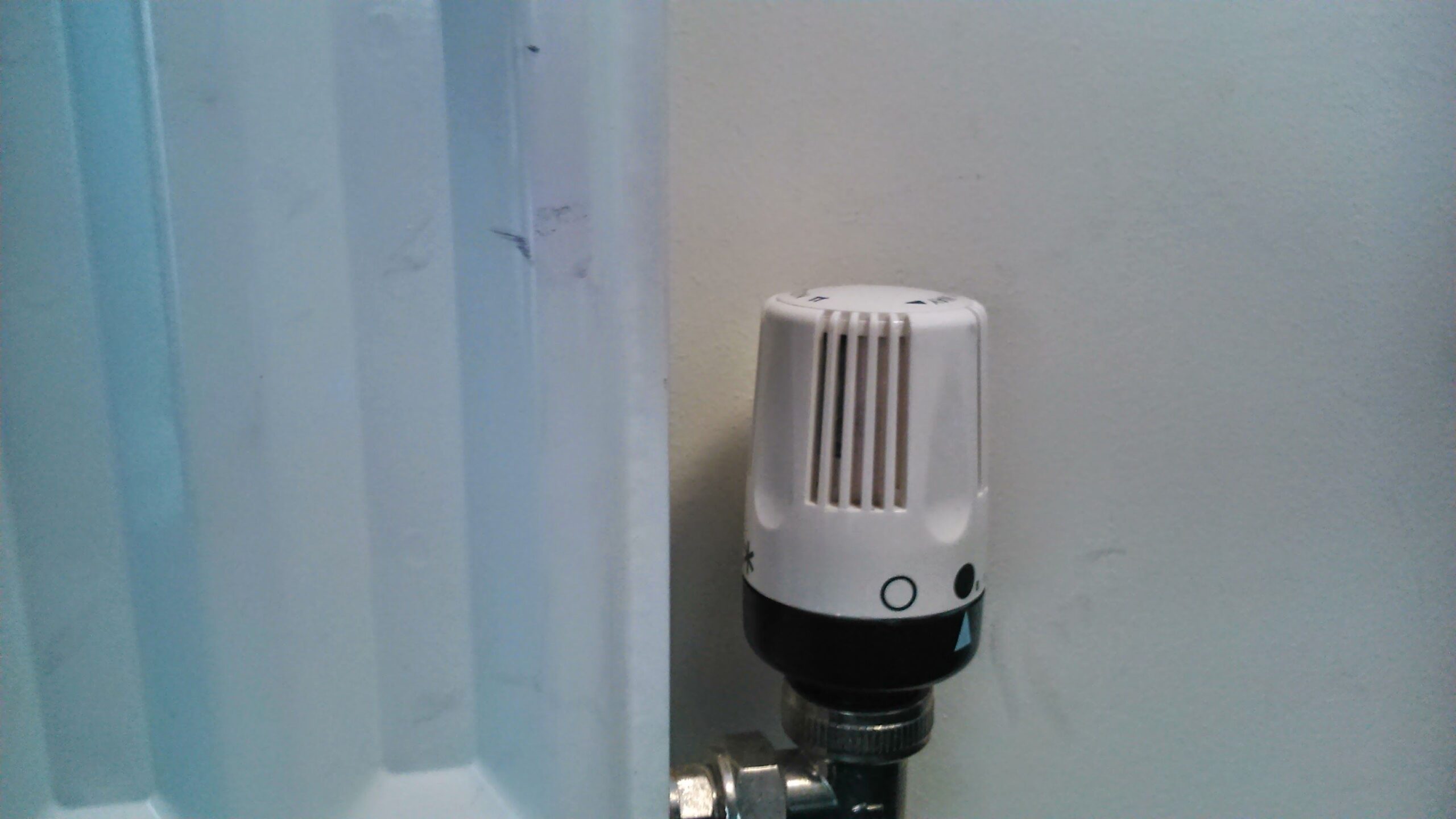
Balance and TRVs. Tall, narrow houses over two or three floors need balancing — each radiator's lockshield valve adjusted so every radiator gets its share of flow — and thermostatic radiator valves (TRVs) in every room, so each room takes the heat it needs. Without balancing, the nearest radiators hog the flow and the farthest rooms stay cold.
Controls and finishing touches
- TRVs in every room let tall rooms with different sun and wind exposure run at different temperatures. Do not fit a TRV on the radiator in the same room as the main room thermostat — the two will fight each other.
- A ceiling fan on low speed in a very tall room can break up stratification, pushing warm air down from the ceiling. It is an unfashionable but effective fix for rooms over 3 metres, and it costs pennies to run.
- Reflective panels behind radiators on external walls give a small gain in solid-wall houses, but the gain is modest and the panels are cheap and harmless.
- Bleeding and inhibitor. Air collects at the highest radiators — bleed them at the start of the heating season, and keep inhibitor levels topped up, since a sludged system delivers less heat from every radiator.
What to buy: recommendations by priority
If period looks matter most: steel or cast-iron column radiators, sized from the heat loss calculation at your system's flow temperature, one under each window where possible. Budget at the top of the range and check floor loadings for cast iron.
If budget matters most: double or triple panel convectors, sized generously (especially for low-temperature systems), two per large room rather than one. Spend the saving on balancing, TRVs and draught-proofing.
If wall width is the constraint: tall vertical radiators in a column or panel style, accepting slightly less effective convection than a wide under-window radiator, and compensating with generous sizing.
If a heat pump is planned: oversize whatever type you choose for low flow temperatures now, so the radiators do not need replacing when the heat pump arrives.
FAQ
Do column radiators give out less heat than panel radiators?
Not per se — output depends on size, section count and flow temperature, not on the word "column" or "panel". Compare manufacturer wattages at the same temperature difference.
How many radiators does a tall room need?
As many as the heat loss calculation requires. A large Victorian reception room often needs two radiators, one under each window, where a modern room of the same floor area would need one. Let the wattage decide, not the room count.
Should radiators go under windows in old houses?
Usually yes — it counters cold downdraughts, warms the glass and reduces condensation. The exception is where a window wall has no usable width (a bay with fixed seating, for example), in which case a nearby wall with good convection is the fallback.
Are cast-iron radiators worth the cost?
For period authenticity and thermal mass (they stay warm after the heating switches off), yes, if the budget allows and the floor supports the weight. For pure heating performance per pound, steel columns or panel convectors deliver the same watts for less money.
Can I keep my old radiators and just add one more?
Sometimes — if the existing radiators are in good condition, balanced, and the shortfall is small, adding or upsizing one radiator can fix a cold room. If small single panels run throughout a tall house, piecemeal additions rarely fix it; re-size room by room.
Bottom line
Size from a heat loss calculation at your real flow temperature, split the load across radiators under the windows, and choose column for period looks, vertical for narrow walls, or panel for value. In a tall old house, the radiator that looks right and the radiator that is big enough are usually the same radiator — because tall rooms need big radiators, honestly sized.