How to Stop Condensation on Windows: Heating and Ventilation Balance
On November 7, 2026 by swllwheatinThe short answer: condensation is a balance problem, not a window problem
Wet windows on a winter morning feel like a glazing failure. Usually they are not. Condensation appears when warm, moist indoor air meets a surface colder than its dew point — the temperature at which the air can no longer hold its water vapour, so the vapour turns to liquid on the glass. Windows are simply the coldest surface in most rooms, so they show the problem first.
That gives you three levers, and only three: reduce the moisture in the air, warm the glass, or move air so moisture does not sit against cold surfaces. Most homes that fix condensation for good pull all three at once, in the right order. Sealing a house tighter without adding ventilation makes it worse. Blasting the heating while drying laundry indoors makes it worse. Buying a dehumidifier while the bathroom extractor vents into the loft makes it worse. The balance is the fix.
Why condensation happens in UK homes
The dew point, in plain terms
Warm air holds more water vapour than cold air. A home at 20°C and 60% relative humidity has a dew point of roughly 12°C: any surface colder than about 12°C will collect water from that air. Single glazing on a frosty night can easily sit below that. Even modern double glazing can drop below it in a cold, unheated bedroom with the curtains drawn tight against the glass.
This is why condensation is worst in bedrooms. Two people breathing all night add a steady stream of moisture to a room that is often the coldest in the house, with the door shut and the curtains trapping a pocket of still air against the glass. Bathrooms and kitchens produce moisture in bursts — showers, cooking, kettles — and bedrooms accumulate it slowly, all night.
Where the moisture comes from
Everyday life is surprisingly wet. Cooking, showering, breathing and washing all add water vapour to indoor air, and drying laundry indoors is one of the largest single sources: a load of washing can release a couple of litres of water into the air as it dries.
Step 1: get moisture out at source
Extraction beats dehumidification every time, because it removes moisture before it spreads through the house.
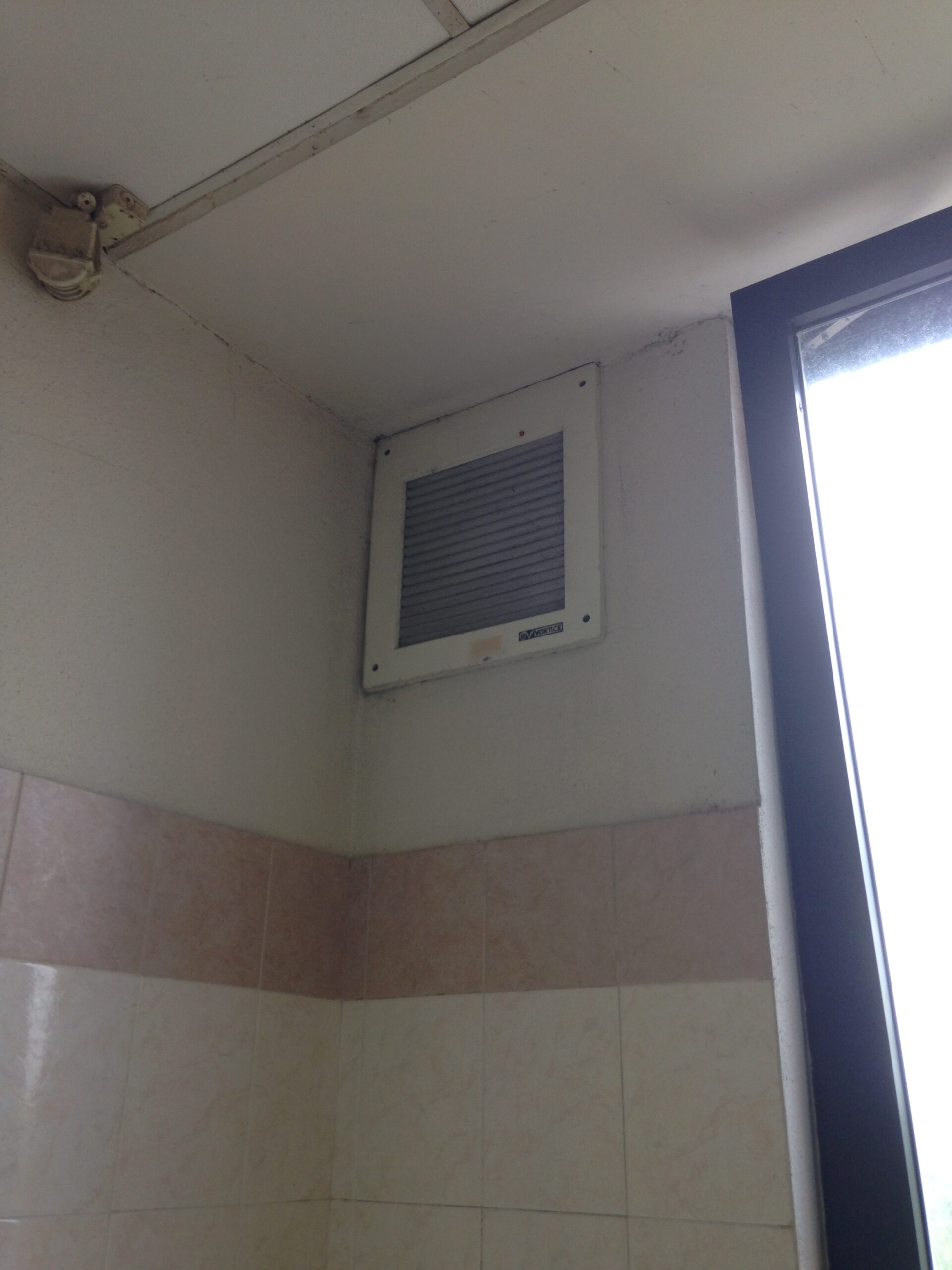
Bathrooms. Run the extractor fan during a shower and for at least 15–20 minutes afterwards, with the door closed so the fan pulls steam out rather than letting it drift down the hall. If your fan is old, noisy or weak, people switch it off — which defeats it entirely. A modern humidistat fan, which runs until humidity falls, removes that decision. Check where the fan actually vents: it should go outside, through the wall or roof, not into the loft, where it will simply move the damp problem somewhere more expensive.
Kitchens. Use the cooker hood when cooking, with lids on pans, and vent the hood outside where possible rather than recirculating. A recirculating hood filters grease and smells but returns the steam to the room. Boiling a pan of pasta with no lid and no extraction is a condensation event in progress.
Laundry. Dry clothes outside when you can. When you cannot, dry them in one ventilated room with the door closed and a window cracked or the extractor running, rather than draped over radiators around the house. Never dry clothes in an unheated, unventilated room: the moisture will condense on the coldest wall, and that is how mould starts behind furniture.
Step 2: ventilate the whole house, in a controlled way
Older UK homes ventilate by accident — through draughts, chimneys and gaps. Modern draught-proofing and double glazing remove that accidental ventilation, which is good for bills and bad for moisture unless something replaces it. The answer is background ventilation, deliberately provided.
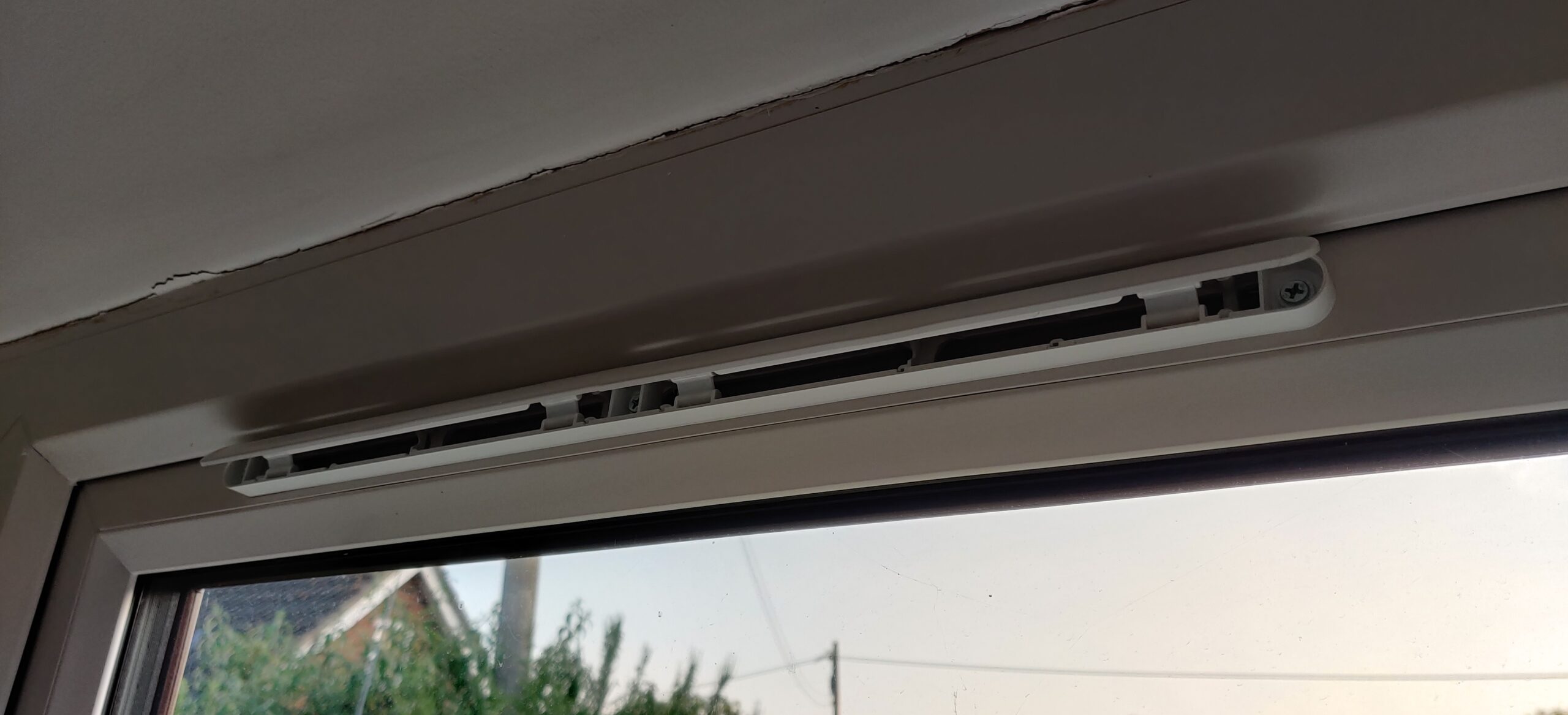
Trickle vents. The small vents at the top of modern window frames exist for exactly this reason. Keep them open through winter, even when the windows are shut. Closing them to "keep the heat in" traps moisture in; the small amount of heat lost through a trickle vent is far less than the cost of damp, mould and damaged frames.
Short, sharp airing. Opening windows wide for 10–20 minutes, ideally creating a cross-draught, exchanges moist indoor air for cold outdoor air quickly. Cold outdoor air is dry in absolute terms even when it feels damp, so once it warms up indoors its relative humidity is low. This beats leaving a window cracked all day, which cools walls and furniture without fully exchanging the air.
Whole-house options. For homes with persistent condensation despite good habits, positive input ventilation (PIV) — a unit, usually in the loft, that gently pushes filtered fresh air into the home — can keep background humidity down across the whole house. Mechanical ventilation with heat recovery (MVHR) goes further, recovering heat from outgoing air, but it suits airtight homes and major renovations better than a quick fix. Neither replaces extraction at source in kitchens and bathrooms.
Step 3: keep surfaces warm with steady heating
Heating and ventilation pull in opposite directions — ventilation loses heat, heating costs money — so the balance matters. Two heating habits make condensation worse:
Letting rooms go cold overnight, then blasting them in the morning. A cold bedroom with the heating off all night has cold glass and cold walls. Morning showers and breathing then push moisture onto those cold surfaces. A steady, lower background temperature keeps surfaces above the dew point more of the time than an on-off pattern with the same total heating hours.
Heating one room and not the next. A warm living room next to a cold, unheated spare bedroom creates a moisture trap: warm moist air migrates to the cold room and condenses there. If a room is genuinely unused, keep its door closed and its heating on a low frost-protection setting rather than off entirely, and do not dry laundry in it.
In practice, most guidance lands around 18–21°C in living areas during the day, with bedrooms slightly cooler but not cold, and without sharp overnight drops. Radiators under windows help directly: the rising warm air washes over the glass, warming it above the dew point and keeping air moving rather than stagnant. This is one reason the traditional radiator-under-window position survives — it is not just convention, it is condensation control. Where radiators have been moved to internal walls during redecoration, window condensation often gets worse, and that is why.
Controls that help. A room thermostat plus thermostatic radiator valves (TRVs) let you hold steady temperatures room by room instead of overheating one room to warm another. Weather compensation — where the boiler or heat pump lowers flow temperature automatically on milder days — keeps the system efficient while it runs steadily. The principle is simple: steady and even beats hot and cold.
Step 4: stop air getting trapped against the glass
Small layout habits make a measurable difference:
- Leave a gap behind curtains. Heavy curtains drawn tight against a window frame seal a pocket of still, cooling air against the glass — the perfect condensation chamber. Leave curtains slightly open at the bottom, or keep a small gap, so warm room air can circulate over the glass.
- Do not push furniture hard against cold external walls and windows. A wardrobe or headboard tight against a cold wall traps moist, still air behind it, and mould follows. A few centimetres of gap lets air move.
- Wipe windows in the morning. If condensation does form, wipe it off rather than letting it sit and soak into frames and sills. It does not solve the cause, but it prevents rot, peeling paint and mould while you fix the cause.
When condensation is not a humidity problem
Two cases need a different answer, and mistaking them wastes money:
Moisture between the panes. If the misting sits inside a sealed double-glazed unit and cannot be wiped off either side, the unit's seal has failed. No amount of ventilation or heating will fix it; the sealed unit needs replacing. Check by wiping both accessible faces of the glass first.
Condensation on walls, or damp that never dries. Persistent wet patches on walls, especially at ground level or in corners, may be penetrating damp, rising damp or a leak rather than condensation. Condensation comes and goes with temperature and humidity; damp from a leak or failed guttering stays wet. If in doubt, get a damp survey before spending on ventilation kit — the fixes are completely different.
Dehumidifiers: useful, but in their place
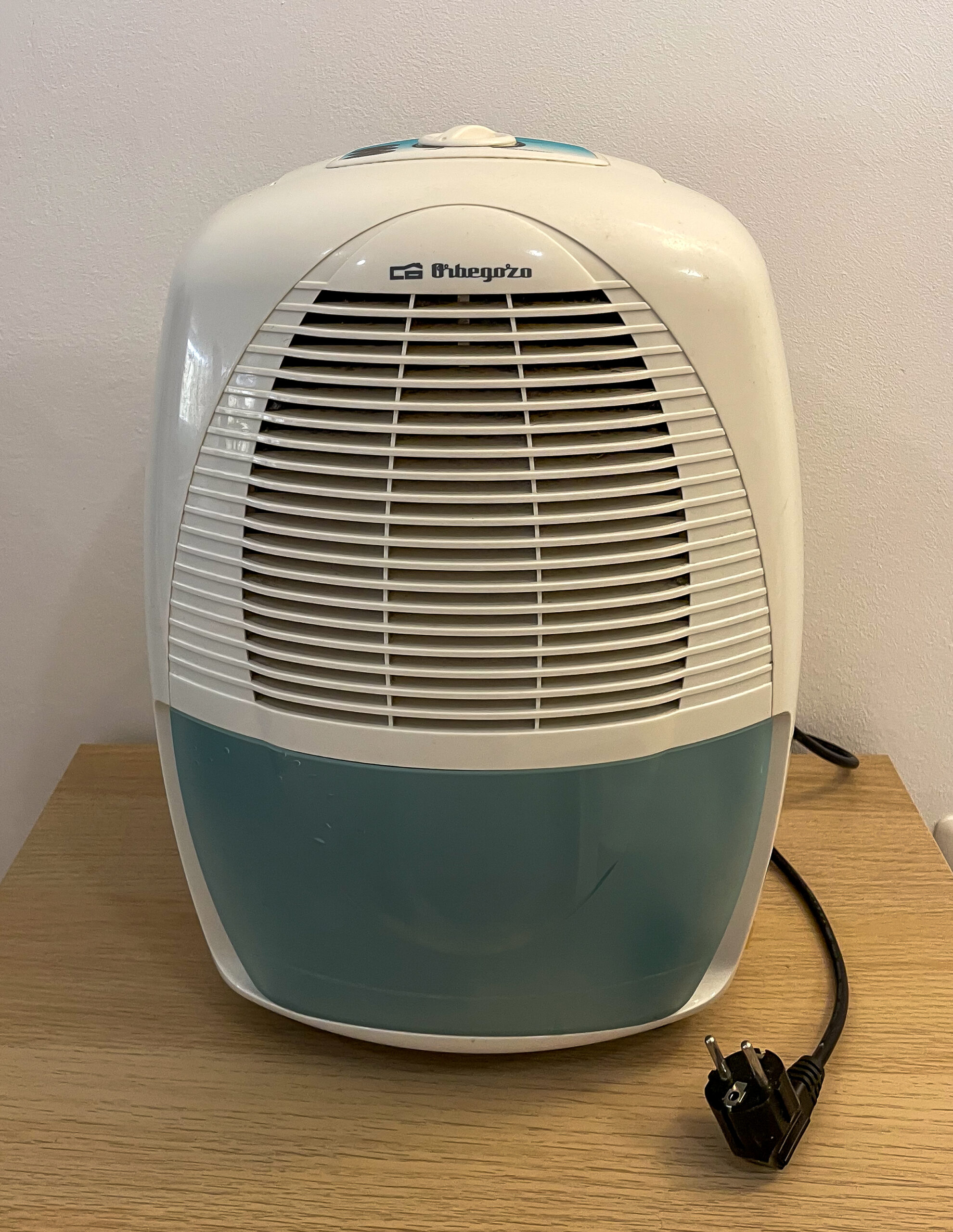
A dehumidifier genuinely lowers indoor humidity, and it is the right tool for a single stubborn room or for drying laundry in a contained space. What it is not is a whole-house solution: running one permanently in a house with no extraction and closed trickle vents is paying electricity to fight a problem with an open tap. Fix sources and ventilation first, then use a dehumidifier for the room that still needs help — with windows closed while it runs, or it will spend its energy dehumidifying the neighbourhood.
FAQ
Why do my windows get condensation only in winter?
Because the glass is far colder in winter, so it drops below the dew point of your indoor air far more often. The moisture is there all year; winter gives it a cold surface to condense on. The same house with the same habits will show clear windows in summer and wet ones in January.
Will double glazing stop condensation?
It reduces it, because the inner pane stays warmer than single glazing, but it cannot eliminate it. In a cold bedroom with high humidity and closed trickle vents, even good double glazing can mist up. Glazing upgrades help most when combined with ventilation and steady heating, not instead of them.
Is condensation on windows dangerous?
The water itself is not, but what it feeds is: mould on frames, sills and nearby walls, rot in wooden frames, and peeling paint. Persistent condensation is also a warning sign that indoor humidity is high enough to encourage mould elsewhere. Treat it as an early warning, not a cosmetic annoyance.
Should I leave trickle vents open in winter?
Yes. They are designed as background ventilation. Closing them saves a small amount of heat and traps a large amount of moisture. If draughts from trickle vents bother you, the vent may be faulty or oversized — replace it rather than sealing the room.
Does turning the heating up stop condensation?
Partly. Warmer air holds more moisture, and warmer glass stays above the dew point, so raising the temperature does reduce condensation — but at a cost, and it does nothing about the moisture itself. Heat steadily, ventilate deliberately, and extract at source.
Bottom line
Condensation is your house telling you its moisture balance is off. Warm the glass with steady heating, give moisture a way out at source and through background ventilation, and stop trapping still air against cold surfaces. Start with the free fixes — open trickle vents, run extraction properly, stop drying laundry on radiators — then add a dehumidifier for a stubborn room, and only then consider ventilation upgrades or glazing work. Do those things in that order, and most window condensation clears up without new windows or expensive kit. If it does not, the remaining causes — failed sealed units, missing extraction, or glazing too cold for the room — are specific, diagnosable, and fixable one at a time.