Are Heat Pumps Worth It in the UK? Honest 2026 Assessment
On November 6, 2026 by swllwheatinThe short answer: worth it for many homes, not for all
Heat pumps in the UK have become polarised. One side promises huge savings and a warm, green home. The other points to a neighbour whose bills went up and whose house never felt warm. Both stories are real, because a heat pump is not a product you buy off a shelf — it is a system designed for a particular house, and a system designed badly will disappoint whatever badge is on the outdoor unit.
This assessment covers what a heat pump costs, what it costs to run, what grants are available, which homes suit it, which do not, and the questions to ask before you sign anything. If you want only the running-cost maths, the companion comparison covers it in full; this article is the wider verdict.
What a heat pump is, in one paragraph
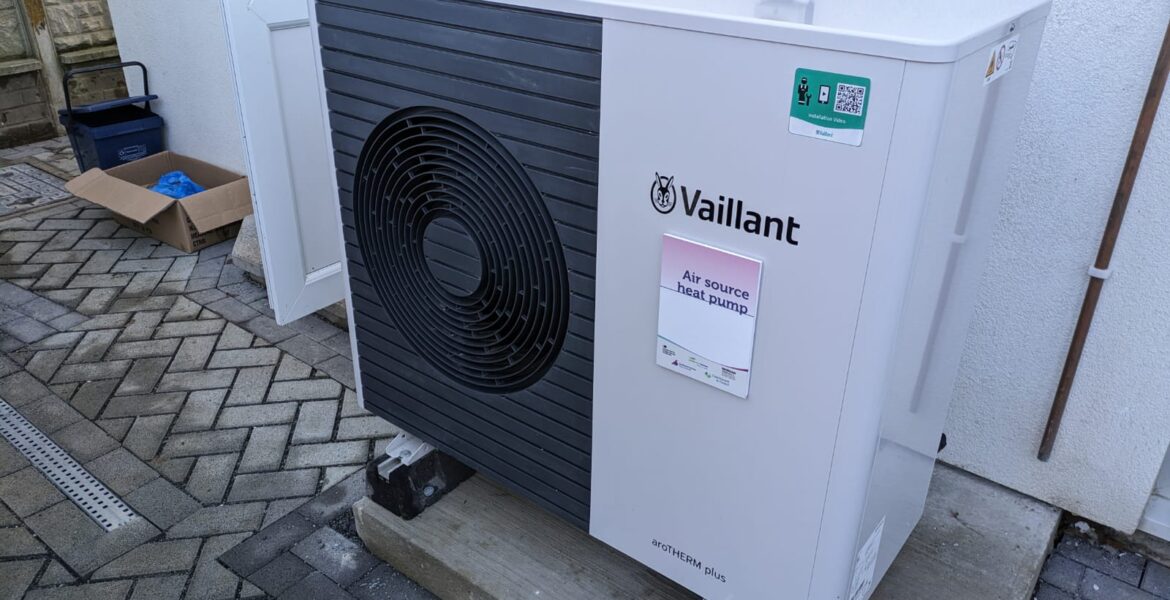
An air source heat pump extracts heat from outdoor air — even on a cold day — and transfers it indoors via a refrigerant cycle driven by electricity; ground source does the same from buried pipes. Because heat is moved rather than created, a heat pump can deliver three or more units of heat per unit of electricity. That seasonal average ratio is the SCOP. A modern gas boiler converts about 90% of its gas into useful heat. The heat pump's advantage is efficiency; its disadvantage is electricity costing about 3.3 times as much as gas per unit at October 2026 tariffs, so efficiency must overcome that price gap.
What it costs to buy one in 2026
Reported figures for 2026 give a consistent picture, even though sources differ in detail:
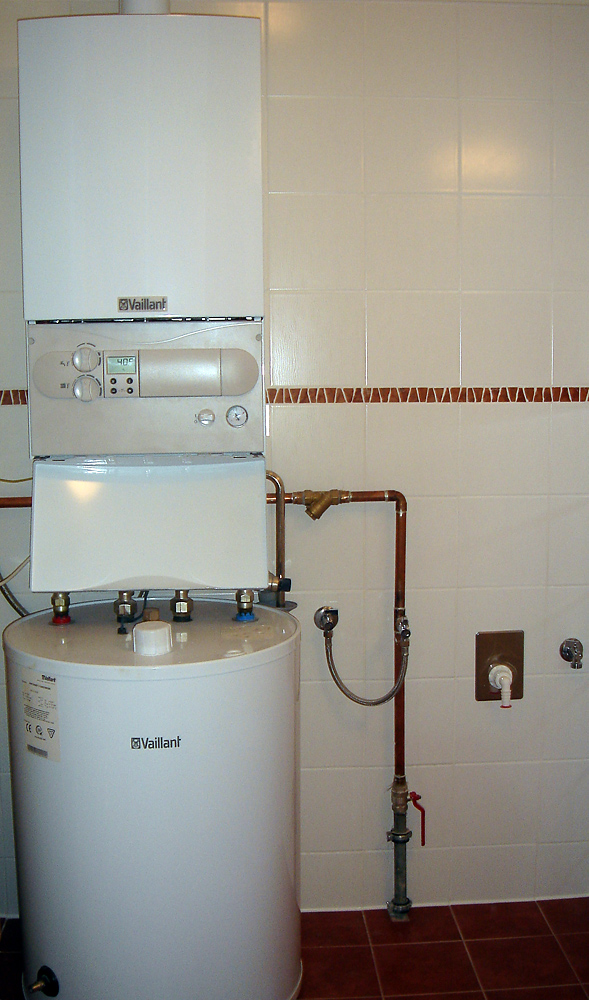
- Air source heat pump, fully installed: about £11,100–£15,600 before grants, median around £12,900 in DESNZ Boiler Upgrade Scheme statistics for April–June 2026. That typically includes the unit, a hot water cylinder, controls and standard pipework, but scope varies by quote.
- After the Boiler Upgrade Scheme grant: the middle half of installs cost about £3,600–£8,100 net, median about £5,400, in England and Wales after the £7,500 grant.
- A like-for-like gas boiler swap: roughly £2,200–£4,500, with no national grant for most homes.
- Ground source heat pump: typically £15,000–£35,000 before the grant, because of drilling or trenching for ground loops. It can achieve higher SCOPs, but the upfront premium is large and payback longer.
The honest upfront gap, after the grant, is usually a few thousand pounds over a boiler — not tens of thousands, and not nothing. Any advert claiming a heat pump "from £500" or "free after the grant" deserves scrutiny: ask what is included, what is excluded, and whether radiator upgrades, cylinder, controls and electrical work are in the price. A median is not a promise for your home, and the cheapest quote is not necessarily the cheapest system once running costs are counted.
Installation usually takes a few days to a week, against about a day for a boiler swap, plus survey and grant time.
What it costs to run: the number that decides the fuel bill
At the Ofgem price cap average rates for 1 October to 31 December 2026 — electricity 26.32p per kWh, gas 7.97p per kWh, for direct-debit customers in England, Scotland and Wales — the break-even point is a SCOP of about 2.97 against a 90%-efficient gas boiler. If you disconnect gas entirely and save the gas standing charge (about £108 a year at 29.68p per day), the total-cost break-even falls to roughly 2.9.
On a home needing 10,000 kWh of useful heat a year:
| System | Annual fuel cost |
| Gas boiler, 90% | £886 |
| Heat pump, SCOP 3.5 | £752 |
| Heat pump, SCOP 3.0 | £877 |
| Heat pump, SCOP 2.5 | £1,053 |
| Heat pump, SCOP 4.0 | £658 |
The fuel saving at SCOP 3.5 is therefore about £134 a year, plus £108 saved gas standing charge if gas is removed — £242 a year in total. On a £2,000–£3,000 upfront premium over a boiler, simple payback on fuel alone is roughly 8–12 years, before servicing and before any tariff advantage. Over a 20–25-year heat pump life, against a boiler life of roughly 10–15 years, the lifetime comparison looks better, because one heat pump may outlast two boilers — but lifetime comparisons depend on maintenance, replacement parts and future tariffs, none of which can be promised today.
Two warnings belong here. First, field-trial averages have been lower than brochure figures: coverage of the government's Electrification of Heat trial reported a mean seasonal performance factor around 2.8 across monitored air source installations — below break-even on fuel alone — while well-optimised systems averaged around 3.8 or more. The gap is installer and design, not technology in the abstract. Second, time-of-use tariffs change the picture: a heat pump pre-heating home and cylinder overnight on cheap electricity can cost far less than the flat-rate figures above, while a home on a standard tariff with a poor SCOP can cost more than gas. Research reported in 2026 suggested flexible tariffs could save up to around £600 a year, but that is a best case, not a guarantee.
The conclusion is not "heat pumps save money" or "heat pumps cost more." It is: a heat pump saves money when its real SCOP is comfortably above 3, on a suitable tariff, in a home it was designed for. Below that, it does not.
Grants and tax relief: what you can actually claim
In England and Wales, the Boiler Upgrade Scheme (BUS) is the main grant:
- £7,500 towards an air source, ground source or water source heat pump, for homeowners and small landlords replacing fossil-fuel or electric heating, with no income test.
- £9,000 from 21 July 2026 to 31 March 2027 for homes heated by oil or LPG with no mains gas connection — a time-limited uplift, not the standard rate. A mains-gas home does not qualify for the extra £1,500.
- £2,500 for air-to-air heat pumps and £5,000 for biomass boilers in limited circumstances.
- The grant is claimed by your MCS-certified installer and deducted from your invoice; you do not apply for the money yourself. Hybrid systems keeping a gas boiler alongside a heat pump do not qualify, and a property that already has a heat pump or a previous BUS grant does not qualify again.
- The scheme is funded through 2029/30, but the £9,000 uplift and the 0% VAT position both had end dates in early 2027 in rules reported in 2026. Check GOV.UK before committing.
Practical advice: get two itemised quotes with the grant as a separate line, confirm in writing what happens if it is refused, and be wary of cold callers offering "free" heat pumps.
Will it keep your house warm? Suitability, honestly assessed
Homes that usually suit a heat pump
- Detached, semi-detached and bungalow properties with outdoor space for a unit with good airflow, clear of windows and neighbours.
- Homes with reasonable insulation — loft insulation, filled cavities where applicable, double glazing, limited draughts — so heat demand is manageable and flow temperatures can stay low.
- Homes with underfloor heating, or radiators that are already large or can be upsized, so rooms stay warm at 35–50°C flow.
- Homes with space for a hot water cylinder, typically an airing cupboard, since a heat pump stores hot water rather than producing it on demand like a combi boiler.
- Off-gas-grid homes on oil or LPG, where the fuel comparison is much more favourable and the £9,000 uplift (to March 2027) applies.
Homes that need work first, or a different answer
- Flats and tenements with no outdoor space, shared walls or lease restrictions. Some can work, but they are the hardest case.
- Very leaky homes — solid walls with no insulation, single glazing, rooms that go cold within an hour of heating switching off. A heat pump can still heat such a home if sized for it, but it will be large, expensive and run at higher flow temperatures, hurting SCOP. Insulation first is usually cheaper than a bigger heat pump.
- Homes where radiators cannot be upsized and flow temperatures would have to stay at 60–70°C. High-temperature heat pumps exist, but at lower efficiency — ask what SCOP the installer expects at your actual design flow temperature, not at a laboratory test temperature.
- Homes with very high hot water demand and limited cylinder space, or households relying on instant combi hot water for multiple bathrooms simultaneously. Stored hot water can be sized for this, but it needs planning and space.
- Homes where the boiler has just failed in midwinter and heating is needed this week. A heat pump survey, grant application and multi-day installation do not fit an emergency timescale.
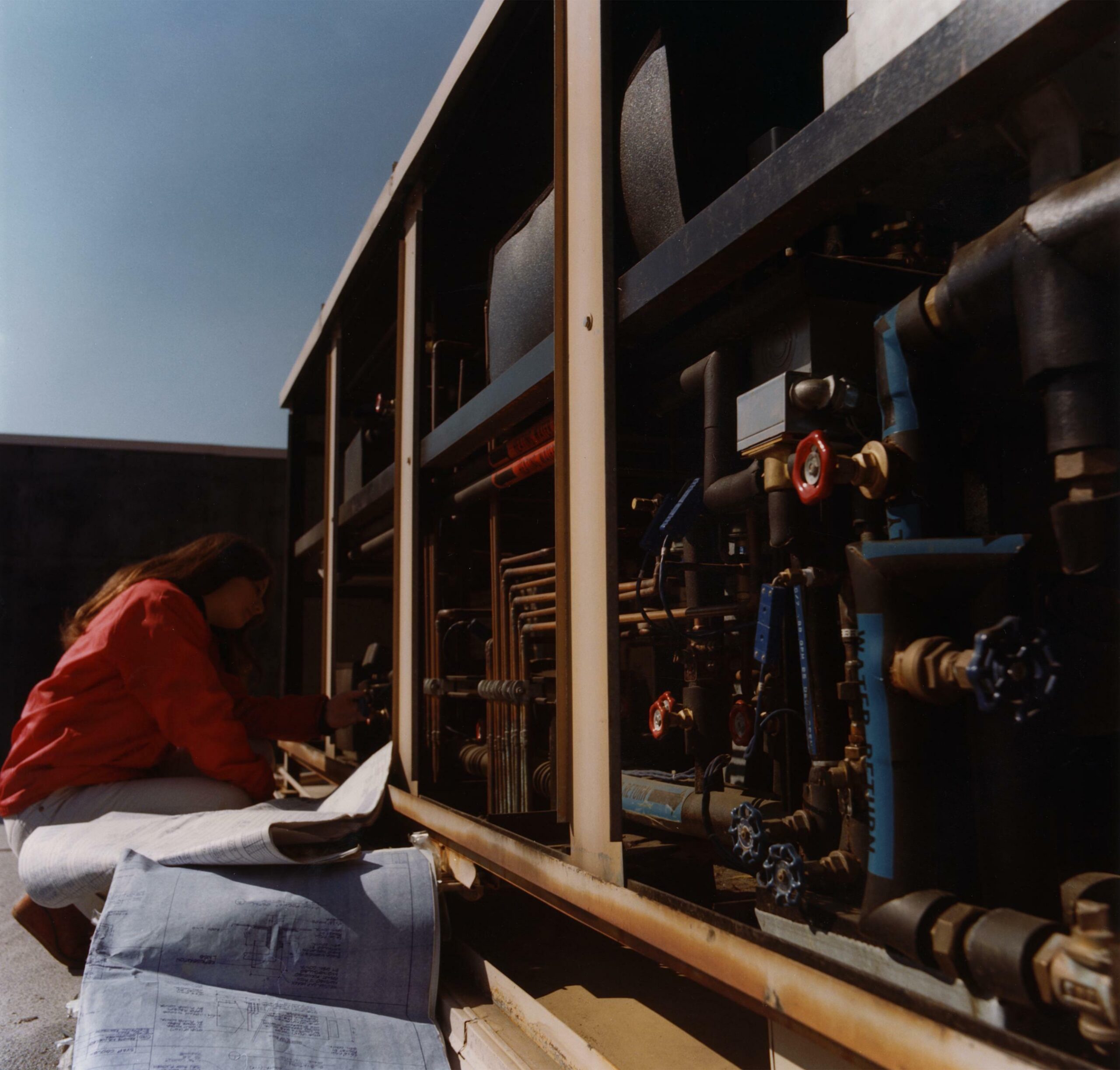
The government's Electrification of Heat trial found no property type or architectural era categorically unsuitable, from Victorian terraces to 1960s flats — but "not categorically unsuitable" is not the same as "suitable without changes." The changes — insulation, radiator upsizing, controls — are where the cost and the benefit both live. A room-by-room heat loss survey to BS EN 12831 is the test that separates a suitable home from a hopeful guess. Any installer who quotes without one should be asked why.
The decision checklist: questions to ask before you sign
1. What is the room-by-room heat loss, and what size heat pump does it imply? Ask for the calculation, not just a kilowatt figure. 2. What design flow temperature are you assuming, and what SCOP do you expect at that temperature in this house? If the answer is a brochure COP, ask for the seasonal figure. 3. Which radiators need upsizing, and what does that cost? Get it itemised, not buried in a lump sum. 4. What tariff should I be on, and have you modelled the running cost on it? A flat-rate estimate for a heat pump household is incomplete. 5. What is included in the quote, what is excluded, and what happens if the grant is refused? Get the grant as a separate line.
If an installer cannot answer these, or pressures you to sign on the day, walk away. The grant and the technology will still be there after a second opinion.
Frequently asked questions
Are heat pumps worth it in the UK in 2026?
For a well-insulated home with suitable emitters, space for a unit and cylinder, and a suitable tariff, yes — the fuel saving is modest at standard tariffs (roughly £100–£230 a year on a 10,000 kWh heat load at SCOP 3.5–4.0, plus saved gas standing charge), the carbon saving is real, and the system can last 20–25 years. For a leaky home with small radiators, no outdoor space, or a household stuck on an expensive flat tariff, the case is weak until insulation, emitters or tariff change. Worth is a property of the installation, not the technology alone.
Bottom line: who should buy, and who should wait
Buy, with a good installer, if: your boiler is due for replacement; your home is reasonably insulated with space for a unit and cylinder; your radiators or floors can run at low flow temperatures; you can get on a heat-pump-friendly tariff; and you are off the gas grid, or you value lower carbon and a longer-lived system enough to accept an 8–12-year fuel payback.
Wait, insulate, or choose a boiler if: your home leaks heat and you have not insulated; radiators cannot be upsized; you have no outdoor or cylinder space; your boiler failed yesterday; or your only quote cannot show a heat loss calculation, design flow temperature and SCOP.
A heat pump is worth it when it is designed for your house. The most expensive heat pump is the one installed twice — once badly, and once properly, after the first one disappoints.