Underfloor Heating Running Cost per Hour UK
On November 13, 2026 by swllwheatinThe short answer: roughly 1p per m² per hour for wet, roughly 4p for electric
Underfloor heating (UFH) running cost per hour depends on three things: the system type, the room size, and the tariff. At the Ofgem price cap average rates for direct-debit customers in England, Scotland and Wales for 1 October to 31 December 2026 — electricity 26.32p per kWh, gas 7.97p per kWh — the headline figures are:
| System | Cost per m² per hour | 10 m² room per hour | 20 m² room per hour |
| Wet UFH on a gas boiler | ~1p | ~9p | ~18p |
| Wet UFH on a heat pump (SCOP ~3) | ~1p | ~9p | ~18p |
| Electric UFH (150W per m² mat) | ~4p | ~40p | ~79p |
Those are steady-state figures for a room being held at temperature, using typical design assumptions explained below. Real bills vary with insulation, thermostat cycling, weather and tariff — but the gap between wet and electric is the story, and it holds across reasonable assumptions: electric UFH costs roughly four times as much per hour as wet UFH for the same room.
Source context: what "per hour" actually means
A per-hour figure is only useful if you know what the hour contains. Two different hours exist:
Warm-up hour. From cold, the system runs at full output: an electric mat draws its full wattage, a wet system draws its full design heat. This hour costs the most, and it is the hour the maths below describes.
Maintenance hour. Once the room is at temperature, the thermostat cycles the system on and off. The system might run for 20–30 minutes of the hour, not 60. The average cost of a maintenance hour is therefore much lower than the warm-up hour — often a third to a half.
Most quoted "per hour" figures online are warm-up figures, and most real heating hours are maintenance hours. Both are given below where it matters, so you can budget honestly: use the warm-up figure for the first hour or two, and roughly half of it for the hours after that.
The maths, shown working
Electric UFH: simple, because electricity becomes heat directly
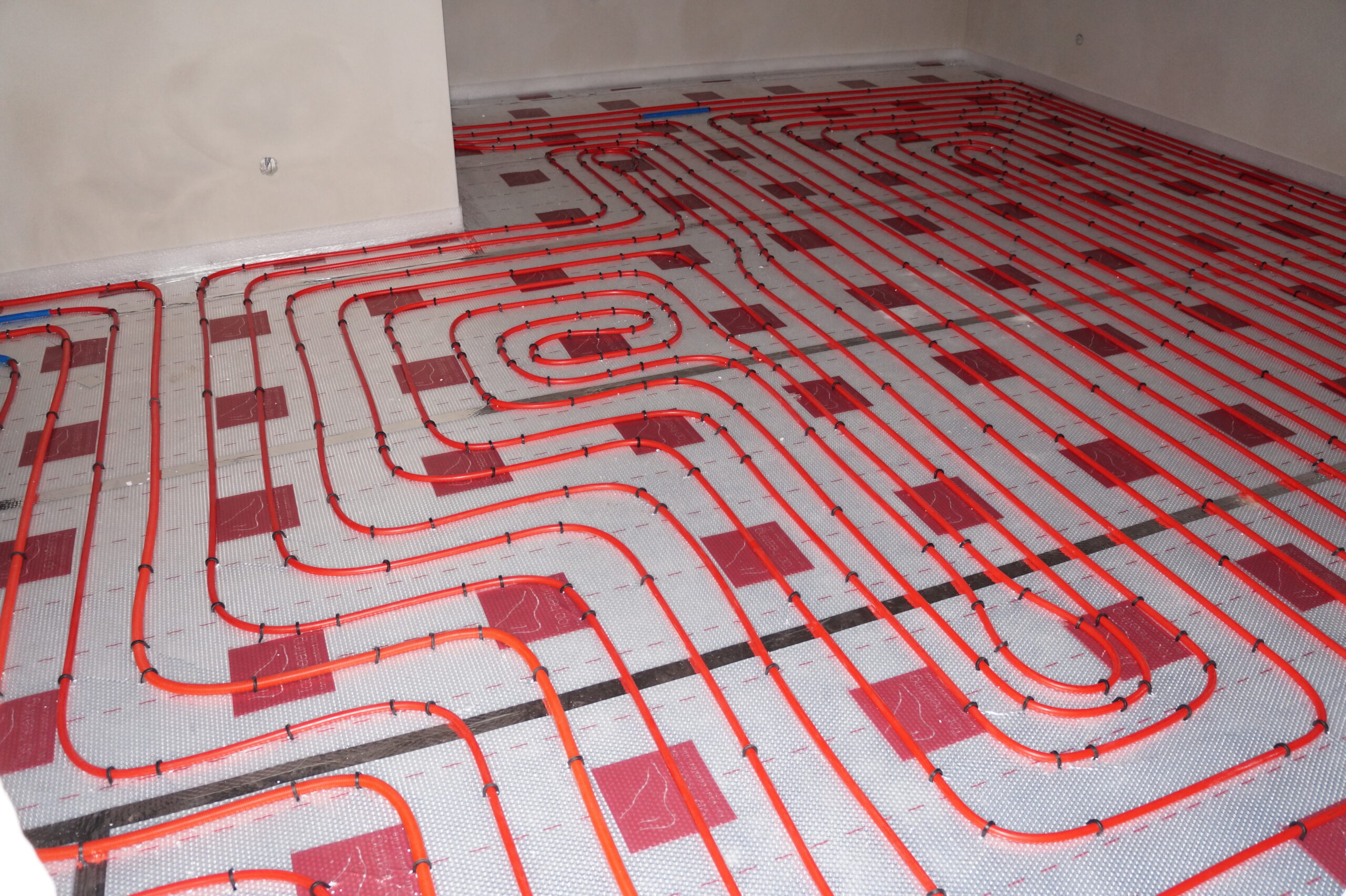
An electric mat rated at 150W per m² draws 0.15 kWh of electricity for every square metre, every hour it runs at full output.
- 1 m²: 0.15 × 26.32p = 3.95p, call it 4p per hour
- 10 m²: 1.5 kWh × 26.32p = 39.5p per hour
- 20 m²: 3.0 kWh × 26.32p = 79p per hour
- 30 m²: 4.5 kWh × 26.32p = £1.18 per hour
Higher-wattage mats (200W per m², common under tile in colder rooms) cost proportionally more: 200W per m² is 0.20 kWh × 26.32p = 5.3p per m² per hour, or about £1.06 per hour for a 20 m² room. Lower-wattage mats (100–120W per m², common under wood or laminate) cost proportionally less.
Wet UFH on a gas boiler: cheap heat, with boiler efficiency in the way
A reasonably insulated room needs roughly 70–100W of heat per m² on a cold day. Take 100W per m² as the worked example. A condensing boiler at around 90% efficiency needs about 0.111 kWh of gas to deliver 0.1 kWh of heat:
- 1 m²: 0.111 × 7.97p = 0.88p, call it 0.9p per hour
- 10 m²: 8.8p per hour
- 20 m²: 17.7p per hour
- 30 m²: 26.5p per hour
Well-insulated rooms needing only 70W per m² cost roughly 30% less; poorly insulated rooms needing 120W per m² cost roughly 20% more. The boiler's real efficiency also varies with flow temperature — lower flow temperatures (which UFH allows) improve condensing, higher flow temperatures worsen it.
Wet UFH on a heat pump: the SCOP decides
A heat pump delivers several units of heat per unit of electricity. That ratio is the seasonal coefficient of performance (SCOP). At SCOP 3, delivering 0.1 kWh of heat per m² needs 0.033 kWh of electricity:
- 1 m²: 0.033 × 26.32p = 0.88p per hour — almost identical to gas at current tariffs
- 20 m²: 17.6p per hour
At SCOP 2.5 (a poorer system, or a cold snap with high flow temperatures), the same room costs about 21p per hour. At SCOP 3.5 (a well-designed low-temperature system in a mild spell), it costs about 15p per hour. The range matters, but the conclusion does not change: wet UFH on a heat pump costs roughly the same per hour as wet UFH on gas at October–December 2026 tariffs, because electricity costs roughly 3.3 times as much as gas per unit while the heat pump delivers roughly 3 units of heat per unit of electricity.
Worked examples by room
Small bathroom, electric mat, 8 m²
- Warm-up hour: 8 × 4p = 32p
- Typical use: 1–2 hours a day, mostly warm-up (the room cools between uses)
- Daily cost at 2 hours: roughly 64p
- Over 150 heating days: roughly £96
A bathroom is where electric UFH earns its keep: the absolute cost is small because the room is small, and the comfort of warm tiles is worth 30–60p a day to most people.
Bathroom, wet UFH, 8 m²
- Warm-up hour: 8 × 0.9p = 7p
- Daily cost at 2 hours: roughly 14p
- Over 150 days: roughly £21
Cheaper, but only if a wet system already reaches the bathroom — extending a wet system into a single small bathroom rarely repays its installation cost on running savings alone.
Kitchen-diner, electric, 20 m²
- Warm-up hour: 79p
- 8 hours a day (with cycling, averaging perhaps 60% of full output after warm-up): roughly £4–£5 per day
- Over 150 days: roughly £600–£750
This is the figure that surprises people. A large room on electric UFH, all day, is a serious running cost.
Kitchen-diner, wet, 20 m²
- Warm-up hour: 18p
- 8 hours a day with cycling: roughly £1–£1.20 per day
- Over 150 days: roughly £150–£180
The same room, the same comfort, roughly a quarter of the cost. This is why wet UFH dominates large rooms and whole floors.
Whole ground floor, wet, 60 m²
- Warm-up hour: 53p
- 8 hours a day with cycling: roughly £3–£3.50 per day
- Over 150 days: roughly £450–£525
Compare the same floor on electric: warm-up hour £2.37, daily £12–£15, seasonal £1,800–£2,250. The comparison is the argument for wet UFH at scale, in one table.
What moves your per-hour figure
Insulation and heat loss. A draughty room with single glazing can need double the heat per m² of a well-insulated room. The per-hour cost follows the heat demand, not the floor area alone.
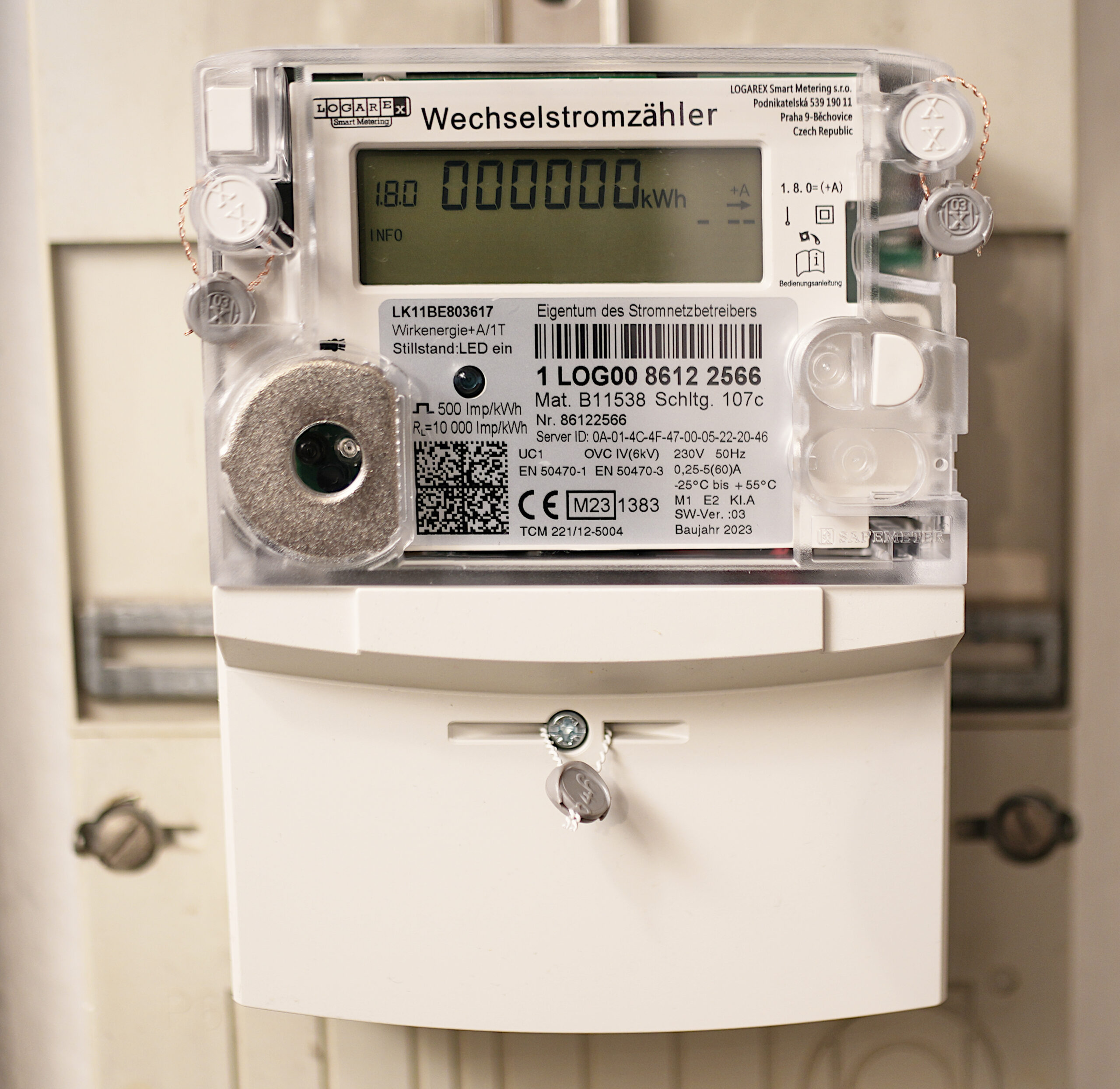
Thermostat and cycling. A room held at a steady temperature with a setback costs less per hour on average than a room heated from cold every morning, because maintenance hours are cheaper than warm-up hours. Screed-based wet systems suit steady schedules; electric mats suit on-demand bursts.
Floor finish. Tile and stone conduct heat well, so the system reaches room temperature efficiently. Thick carpet and underlay insulate the floor, forcing the system to run longer and hotter for the same room temperature. If you plan carpet over UFH, check the combined tog value against the system manufacturer's limit before committing.
Flow temperature (wet systems). Lower flow temperatures improve boiler condensing and heat pump SCOP, cutting the per-hour cost. Oversized radiators or UFH zones that allow low flow temperatures are not a luxury — they are the mechanism that delivers the efficiency.
Tariff and timing. The figures above use the standard variable cap average. Off-peak tariffs change the electric and heat-pump figures substantially if the system runs in the cheap window — but UFH is usually needed in the morning and evening, not overnight, so check how much of your actual use falls in the cheap period before assuming a saving. Fixed tariffs differ from the cap, and the cap itself changes quarterly.
Standing charges. Standing charges (54.83p per day for electricity, 29.68p per day for gas at the Oct–Dec 2026 cap average) are not included in the per-hour figures above, because you pay them whether or not the heating runs.
How to estimate your own room
1. Measure the heated floor area in m² (free floor, not under fixed units or baths). 2. Pick your system: electric 150W per m² (adjust for your mat's rating), wet ~0.9p per m² per hour at current tariffs. 3. Multiply by your room's area for the warm-up hour cost. 4. Estimate your real hours: warm-up hours at full cost, maintenance hours at roughly half. 5. Multiply by your tariff if it differs from the cap average — use your actual pence per kWh, not the national average. 6. Multiply by heating days (150 is a reasonable planning figure for October to March use; adjust for your pattern).
Example: a 15 m² kitchen on electric, 3 hours a day (1 warm-up hour at 59p, 2 maintenance hours at ~30p each), 150 days: (59 + 60) × 150 = roughly £179 for the season. The same kitchen on wet: (14 + 2 × 7) × 150 = roughly £42.
Reducing the per-hour cost
- Insulate first. Every watt of heat loss avoided is a watt you do not pay for, on any system.
- Use setback, not on-off, for wet screed systems. Holding at 16–18°C overnight costs less than reheating a cold slab every morning.
- Zone properly. Heating only the rooms in use, on their own schedules, beats heating the whole floor to the same temperature all day.
- Check the tariff. If you are on electric UFH, an off-peak or time-of-use tariff may cut costs if your use pattern fits it — check the peak rate too, because a high peak rate can wipe out the off-peak saving.
- Lower the flow temperature (wet). Weather compensation that drops flow temperature on mild days improves efficiency without any comfort loss.
FAQ
How much does underfloor heating cost to run per hour in the UK?
Roughly 1p per m² per hour for wet UFH on gas or a heat pump, and roughly 4p per m² per hour for electric UFH at October–December 2026 cap tariffs. A 20 m² room is therefore about 18p per hour wet, or about 79p per hour electric, at full output.
Is electric underfloor heating expensive to run?
For small rooms used briefly, no — a bathroom costs roughly 30–60p a day. For large rooms used all day, yes — a 20 m² kitchen-diner can cost £4–£5 a day on electricity, against roughly £1–£1.20 on wet UFH.
Does underfloor heating cost more than radiators per hour?
For the same heat output and heat source, no — the cost of a unit of heat is set by the boiler or heat pump, not the emitter. UFH can cost less in practice, because its low flow temperatures improve boiler and heat pump efficiency.
Can I run underfloor heating all day?
Yes, and wet screed systems are designed for it — steady running with a setback temperature is more efficient than daily cold starts. Electric systems can run all day too, but the cost adds up fast in large rooms; use them on a timer for the hours the room is occupied.
Why do online per-hour figures disagree so much?
Because they assume different tariffs, mat wattages, room sizes, insulation levels and cycling patterns — and some quote warm-up hours while others quote average hours. Always check which assumptions sit behind a figure before comparing it with yours.
Bottom line
Budget wet UFH at about 1p per m² per hour and electric UFH at about 4p per m² per hour at current tariffs, then adjust for your room, your tariff and your hours. The per-hour gap is small; multiplied by square metres, hours and days, it becomes the difference between a comfortable floor and a shocking bill.